As an Amazon Associate, we earn from qualifying purchases.
At a Glance
- BEST PLANT-BASED: Garden of Life Organic Vegan Protein
- BEST VALUE: Orgain Organic Vegan 21g Protein Powder
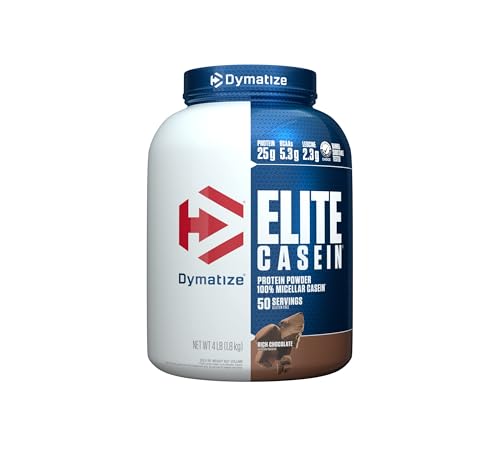
- BEST FOR OVERNIGHT RECOVERY: Dymatize Elite Casein Protein Powder
1. Levels Grass-Fed Whey Protein
The cleanest protein we've found. Our whole family drinks it.
Check Price on Amazon →Why We Picked It
Hands down the cleanest protein we can find. My three kids and my wife drink this pretty much daily — that alone tells you everything you need to know about how much I trust the ingredient list. When you're choosing something for your whole family, you become a much more demanding label reader. Levels passed every test.
Each scoop delivers 24 grams of protein from grass-fed, hormone-free whey concentrate. The cows are pasture-raised, which matters: grass-fed dairy contains a better fatty acid profile (higher omega-3, higher CLA) than conventional dairy. There are no artificial sweeteners — just stevia leaf extract and monk fruit, both plant-derived. No artificial colors, flavors, or fillers. The full ingredient list for the Vanilla Bean flavor is: Whey Protein Concentrate (Grass-Fed), Vanilla Extract, Sunflower Lecithin, Sea Salt, Stevia Leaf Extract, Monk Fruit Extract. That's it. Seven ingredients, all pronounceable.
The Clean Label Project Purity Award is their highest certification — it means the product has been independently tested and verified to be free of heavy metals (lead, arsenic, cadmium), pesticide residues, and BPA. In a category full of products that test positive for concerning contaminants, this certification matters enormously when you're giving the product to children.
Taste & Mixability
The Vanilla Bean flavor is phenomenal — genuinely one of the better-tasting protein powders on the market, with a natural sweetness that doesn't overwhelm. The Double Chocolate is rich without being cloying. Both mix well in a shaker cup with water or milk, though some users report minor clumping when stirred rather than shaken. For blended smoothies, it's flawless.
Nutrition Highlights
- 24g protein per 32g serving
- 2.5g total fat
- 3g carbohydrates
- ~130 calories
- No artificial sweeteners, dyes, or fillers
- Grass-fed, hormone-free dairy
- Clean Label Project Purity Award
Who It's For
Anyone who cares about ingredient quality. Families. People who want to give their kids a protein supplement without worrying about what else is in it. Adults who've read the research on artificial sweeteners and want to opt out. Anyone looking for a genuinely clean, everyday protein that tastes good enough to drink without disguising it.
Any Downsides?
It costs more per serving than budget brands — roughly $1.25–$1.50 per serving vs. $0.70–$0.90 for mass-market options. It's whey concentrate rather than isolate, so it does contain a small amount of lactose (though far less than dairy milk). If you have a diagnosed dairy allergy or severe lactose intolerance, look at the plant-based options below.
We spend most of our waking hours at a desk. We skip meals, grab whatever is convenient, and tell ourselves we’ll “eat better tomorrow.” The result? Our muscles shrink, our energy craters, and recovery from even a light workout takes longer than it should. Protein — real, quality protein — is one of the simplest levers you can pull to fix all three of those problems at once.
But the protein powder aisle (physical or digital) is a minefield. Tubs with cartoon mascots and ingredient lists that read like chemistry homework. Proprietary blends that hide what’s actually inside. Artificial sweeteners that the WHO has flagged for long-term concerns. Most people grab the cheapest thing on Amazon and wonder why they feel bloated an hour later.
Our overall #1 pick is Levels Grass-Fed Whey Protein — it’s the cleanest protein we can find, and it’s what our own family drinks daily. The picks we haven’t personally used are ranked on label analysis, third-party certification records, and the pattern of verified owner feedback, and we say which is which. The right protein depends on your goals, diet, and lifestyle, so we’ve also covered the best plant-based option, the best value, and the best casein for overnight recovery.
Here’s everything you need to know.
Health & Medical Disclaimer: The information on DeskFitPro is for educational purposes only and is not a substitute for professional medical advice, diagnosis, or treatment. Always consult your physician or a registered dietitian before beginning any new supplement regimen, especially if you are pregnant, nursing, have a medical condition, or are giving supplements to children. Individual results will vary.
Why Protein Is the Most Important Macro You’re Probably Under-Eating
Muscle Maintenance — Even at a Desk
Muscle tissue is metabolically expensive. Your body is constantly breaking it down and rebuilding it through a process called muscle protein synthesis (MPS). If dietary protein is insufficient, your body catabolizes existing muscle to meet its amino acid needs. This is true whether you’re training hard or sitting in a chair all day — and desk workers, who tend to move less, are particularly vulnerable to accelerated muscle loss as they age.
Satiety and Body Composition
Protein is the most satiating macronutrient. Studies consistently show that high-protein diets reduce overall caloric intake because they suppress ghrelin (the hunger hormone) and increase peptide YY, a hormone that promotes fullness. For desk workers trying to manage weight without relying on willpower, ensuring adequate protein at each meal is one of the most evidence-backed strategies available.
Recovery
Even moderate activity — a 30-minute walk, a lunch-break gym session, or carrying groceries — creates microscopic muscle damage that requires amino acids to repair. Without enough protein, this repair is incomplete, which is why people often feel persistently sore or fatigued. A post-workout protein shake consumed within 30 to 90 minutes of exercise significantly accelerates MPS and reduces recovery time.
What the Science Actually Says: The 1g Per Pound Rule
The RDA for protein (0.36g per pound of body weight) was designed to prevent deficiency, not to optimize health or body composition. Researchers and performance scientists have consistently found this to be far too low for active adults. Dr. Andrew Huberman, neuroscientist at Stanford University, along with exercise physiologist Dr. Andy Galpin, recommends a target of approximately 1 gram of protein per pound of body weight per day for adults engaged in regular activity. For a 160-pound person, that’s 160 grams — a target that is extremely difficult to hit through food alone without adding a quality protein supplement.
Their recommendation is to distribute protein intake across meals (aiming for 30–50 grams per meal) to maximize protein synthesis throughout the day, and to prioritize high-quality, complete protein sources with strong leucine content, as leucine is the key amino acid that triggers the MPS pathway.
Clean Protein vs. Mass-Market: What’s Actually in Your Tub?
Walk down the protein powder aisle and almost every tub looks impressive — huge protein numbers, aggressive branding, bold claims. But flip them around and look at the ingredient list.
Most mass-market protein powders are sweetened with sucralose (Splenda) or acesulfame potassium (Ace-K). These are zero-calorie artificial sweeteners that allow companies to make their products taste intensely sweet at near-zero cost. The problem: the science on long-term safety is no longer clean.
- In 2023, the World Health Organization formally recommended against long-term use of non-sugar sweeteners due to potential metabolic risks.
- Recent peer-reviewed research has linked sucralose to disruption of the gut microbiome, potential genotoxic effects at the cellular level, and increased cardiovascular disease risk.
- Acesulfame potassium has been linked to altered glucose metabolism and disruptions in insulin sensitivity.
Beyond sweeteners, cheaper proteins are often made with milk from conventionally farmed cows given synthetic hormones and antibiotics — practices that may leave residues in the final product and that raise ethical concerns for many families.
What to look for instead:
- Grass-fed dairy — higher omega-3 content, better fatty acid profile, no synthetic hormones (rBGH/rBST)
- Natural sweeteners only — stevia leaf extract and monk fruit are the gold standard; both are derived from plants and have much cleaner long-term safety profiles
- Third-party testing — look for Clean Label Project Purity Award, NSF Certified for Sport, or Informed Sport certification, which test for heavy metals, pesticides, and banned substances
- Minimal ingredients — if you can’t pronounce it, you probably don’t need it in your protein powder
You will pay more per serving for clean protein. For most people — and especially for families with children — the trade-off is worth it.
Whey vs. Plant-Based vs. Casein: Which Type Is Right for You?
Whey Protein — Best for Most People
Whey is derived from the liquid byproduct of cheese-making. It is a complete protein containing all nine essential amino acids, and it is exceptionally rich in leucine, the key trigger for muscle protein synthesis. Whey is rapidly digested and absorbed — blood amino acid levels peak within 60–90 minutes of consumption — making it ideal post-workout. It also contains immunoglobulins and lactoferrin, bioactive compounds that support immune function. For most healthy adults, whey is the highest-performing protein option available.
Best for: Post-workout recovery, morning shakes, anyone who is not dairy-sensitive and wants maximum MPS stimulus.
Plant-Based Protein — Best for Vegans, Dairy-Free, and Sensitive Stomachs
Plant proteins are sourced from peas, brown rice, hemp, soy, and other plants. Individual plant sources are typically incomplete proteins (missing one or more essential amino acids), which is why the best plant-based powders combine multiple sources — usually pea + brown rice — to achieve a complete amino acid profile. Plant proteins digest more slowly than whey, provide more fiber, and are gentler on digestion. While older studies suggested plant protein was inferior for muscle building, newer research shows that well-formulated plant proteins with adequate leucine can produce comparable muscle synthesis results when total daily protein targets are met.
Best for: Vegans, vegetarians, people with dairy allergies or lactose intolerance, those with digestive sensitivities to whey.
Casein Protein — Best Before Bed
Casein: This milk-derived protein is a format to compare for texture, ingredients, and dietary preferences. It is not suitable for someone avoiding milk protein. A protein serving contains calories and does not preserve a calorie-free fast.
Best for: Before bed, before a long fast, anyone looking to minimize overnight muscle catabolism.
How Much Protein Per Day?
The evidence-backed target for active adults is 0.7–1.0 grams per pound of body weight per day (or 1.6–2.2g per kg). Andrew Huberman and Andy Galpin’s practical recommendation is to simply aim for 1 gram per pound as an easy-to-remember target. Protein should be distributed across meals — 30 to 50 grams per meal — rather than consumed in one large bolus, since MPS has a per-meal ceiling and excess is simply oxidized. A protein powder supplement is the most practical way to close the gap between what you’re eating and your daily target.
Quick Comparison: Best Protein Powders in 2026
| Product | Type | Protein / Serving | Sweetener | 3rd-Party Tested | Best For | Our Verdict |
|---|---|---|---|---|---|---|
| ⭐ Levels Grass-Fed Whey | Whey Concentrate | 24g | Stevia + Monk Fruit | Clean Label Project Purity Award | Families, clean eating, daily use | #1 Pick |
| Optimum Nutrition Gold Standard | Whey Isolate/Blend | 24g | Sucralose + Ace-K | Informed Choice | Budget, high volume | Best Budget |
| Garden of Life Sport Organic | Plant-Based Blend | 30g | Stevia | NSF Certified for Sport | Vegans, athletes | Best Plant-Based |
| Orgain Organic Plant Protein | Plant-Based Blend | 21g | Stevia | USDA Organic, Non-GMO | Everyday plant-based use | Best Value Plant-Based |
| Dymatize Elite Casein | Micellar Casein | 25g | Sucralose | Informed Choice | Overnight recovery | Best Casein |
Who Should Skip These Protein Powders
Protein powder is a convenience, not a requirement. These buyers should think twice before adding one to the cart:
- Anyone with a diagnosed dairy allergy — three of our picks (Levels, Optimum Nutrition, and the Dymatize casein) are milk-derived. If you’re allergic rather than mildly lactose-intolerant, skip the whey and casein entirely and go with a plant blend like Garden of Life Sport or Orgain.
- People already hitting their protein target from whole food — if you’re eating enough eggs, dairy, meat, fish, or legumes to reach your daily number, a powder adds cost without adding benefit. Spend the money on groceries instead.
- Anyone who needs a true lactose-free option but wants whey — our #1 pick, Levels, is a concentrate, so it retains a small amount of lactose. If even trace lactose bothers you, choose a whey isolate (which filters most of it out) or a plant protein rather than a concentrate.
Honest Limitations of This Guide
A few caveats worth being upfront about before you trust these rankings:
- We didn’t lab-assay any of these tubs. Where we cite purity, we’re relying on third-party certifications — the Clean Label Project Purity Award, NSF Certified for Sport, Informed Choice — as a proxy. Those programs are credible, but we did not independently test for heavy metals or verify protein content per scoop ourselves.
- ”Grass-fed” and fatty-acid claims are manufacturer-stated. The higher omega-3 and CLA profile of grass-fed dairy is well documented in general, but we can’t confirm the sourcing or per-lot composition of any specific product beyond what the brand reports.
- The “1 gram per pound” target is a practitioner recommendation, not settled consensus. It reflects the practical advice of Andrew Huberman and Andy Galpin and sits above the government RDA. It’s a reasonable target for active adults, but individual needs vary with age, activity, and kidney health, and the optimal number is still debated.
How We Picked These
We verified each product’s ASIN and current price against live Amazon listings, then compared them on protein per serving, sweetener type (natural versus artificial), the specific third-party certification each carries, and the full ingredient list rather than the marketing on the front of the tub. We deliberately spread the picks across use cases — clean everyday whey, budget whey, plant-based performance, value plant-based, and overnight casein — so the list answers different diets rather than crowning one winner for everyone.
We have hands-on experience with our top pick, but we did not taste every flavor of every product, and taste is subjective. Where we make a claim about mixability or flavor for a product we haven’t personally used extensively, it’s drawn from aggregated review patterns, and we’ve tried to flag that distinction rather than present secondhand impressions as our own testing.
Frequently Asked Questions
Whey vs. plant-based protein: which is better?
For muscle protein synthesis, whey protein has a slight edge due to its faster digestion rate and higher leucine content — leucine is the primary amino acid that triggers the muscle-building pathway. Whey is a complete protein with all nine essential amino acids and is highly bioavailable.
That said, well-formulated plant proteins (especially pea + rice blends) can achieve comparable results when total daily protein targets are met. The more important variable is whether you’re hitting your protein goal at all, not whether you’re doing it with whey or plants. If you’re dairy-sensitive, vegan, or vegetarian, a quality plant protein like Garden of Life Sport or Orgain is an excellent choice. If neither is a concern, whey is the slightly more efficient option — and a grass-fed clean whey like Levels is the best of both worlds.
How much protein should I take per day?
For active adults, the evidence-backed recommendation is 0.7–1.0 grams of protein per pound of body weight per day (1.6–2.2g per kg). Andrew Huberman and exercise physiologist Andy Galpin recommend rounding up to 1 gram per pound as a practical daily target. The government’s RDA of 0.36g per pound was designed to prevent deficiency, not to support optimal health, body composition, or muscle maintenance — it’s significantly too low for most active adults.
Distribute your intake across meals (aim for 30–50g per meal) rather than trying to get it all at once. A 160-pound adult needs roughly 160 grams of protein per day — that’s difficult to achieve through food alone, which is why a protein supplement is such a practical addition for most people.
When is the best time to take protein powder?
The short answer: whenever you need it to hit your daily protein target. The specific timing matters less than simply hitting your daily goal.
That said, timing does make a meaningful difference for recovery. Consuming whey protein within 30–90 minutes post-workout takes advantage of the elevated muscle protein synthesis window that follows training. Morning protein (whey in a smoothie, for example) may have additional benefits because BMAL clock genes appear to enhance protein synthesis in the morning hours. Casein is specifically designed for before bed — its slow-release profile is uniquely well-suited to the overnight fasting window.
A practical framework: whey post-workout (or in the morning if you train later), and casein before bed on hard training days.
Is protein powder safe for kids?
First, always consult your pediatrician before giving any supplement to a child. That said, the general consensus among pediatric dietitians is that whole food protein sources should be prioritized for children, and most healthy children eating a balanced diet do not need protein supplementation.
If a child is an active athlete with high energy demands, or a picky eater struggling to meet protein needs, a clean, simple protein powder may be appropriate under medical guidance. In that case, ingredient quality matters even more than it does for adults: avoid anything with artificial sweeteners, artificial colors, heavy metals, or long ingredient lists. Levels Grass-Fed Whey — with its Clean Label Project Purity Award, simple ingredient list (stevia and monk fruit only), and grass-fed dairy base — is one of the very few protein powders we would be comfortable giving to our own children. We do. But again: ask your pediatrician first.
Final Thoughts: The Best Protein Powder for Most People in 2026
After reviewing the research on protein science, examining ingredient labels, and looking at what the top-rated products on Amazon actually deliver, our recommendation is clear: Levels Grass-Fed Whey Protein is the best protein powder for most people in 2026.
It’s the cleanest mainstream protein we can find. Grass-fed dairy, no artificial sweeteners, no artificial anything — just protein, a few natural ingredients, and a Clean Label Project Purity Award certifying that what’s on the label is actually what’s in the tub. My wife and three kids drink it regularly, which is the most genuine endorsement I can offer. When you’re choosing something for your whole family, you don’t cut corners on ingredient quality.
For everyone else, here’s the quick summary:
- On a budget? Optimum Nutrition Gold Standard is the most proven, most popular protein powder in the world. It works.
- Plant-based and serious about performance? Garden of Life Sport is the NSF Certified benchmark.
- Plant-based on a budget? Orgain Organic is the #1 plant protein brand for good reason.
- Want to maximize overnight recovery? Add Dymatize Elite Casein before bed.
The bottom line: protein matters more than most desk workers realize, and most people aren’t getting nearly enough. Pick the option that fits your diet, your budget, and your ingredient standards — and make hitting your daily protein target a non-negotiable habit. Your muscles, your metabolism, and your energy levels will thank you.
Detailed Reviews


3. Dymatize Elite Casein Protein Powder
 Check Price on Amazon →
 Prices checked: Oct 3, 2026, 8:06 PM UTC
Product prices and availability are accurate as of the date/time indicated and are subject to change. Any price and availability information displayed on Amazon.com at the time of purchase will apply to the purchase of this product.
Any prices mentioned in the article text are approximate and for comparison only; the figure shown with each product above is the one checked against Amazon at the time stated.
As an Amazon Associate, DeskFitPro earns from qualifying purchases.