As an Amazon Associate, we earn from qualifying purchases.
At a Glance
- PRESET TENS OPTION: AUVON 24-Mode TENS Unit
- BATTERY-POWERED TENS: OMRON Max Power Relief PM500
- COMBINATION OPTION: Belifu Dual Channel TENS + EMS
- DISPLAY-FOCUSED COMBO: iReliev Rechargeable TENS + EMS — 14 Modes
- EMS WITH TENS: Compex Edge 3.0 with TENS
| Device | Listed function | Buying distinction |
|---|---|---|
| AUVON 24-Mode TENS Unit | TENS | 24 presets; rechargeable |
| OMRON Max Power Relief PM500 | TENS | 9 modes; 15 intensity levels; AAA |
| Belifu Dual Channel TENS + EMS | TENS + EMS | 24 modes; dual channel |
| iReliev Rechargeable TENS + EMS — 14 Modes | TENS + EMS | 14 modes; backlit display |
| Compex Edge 3.0 with TENS | EMS + TENS | 4 programs |
Start by deciding whether you need TENS for temporary pain relief or a device with EMS functions. AUVON and OMRON are the TENS-focused options here. Belifu, iReliev and Compex include both functions. Mode count and price do not tell you which device is appropriate for a particular condition.
The Short Verdict
Compare AUVON for rechargeable preset controls and OMRON PM500 for a battery-powered, single-channel device. OMRON documents nine modes with 15 intensity levels. Compare a combination device only if its intended use matches what you need; persistent or unexplained pain warrants professional assessment.
Detailed Reviews
1. AUVON 24-Mode TENS Unit

Why it's here: A rechargeable TENS option with 24 listed presets. Compare it if you prefer preset controls. A long menu does not demonstrate better pain relief or make it an EMS rehabilitation device.
- 24 presets listed
- Rechargeable format
- Check the exact pad and lead requirements
- Do not infer clinical benefit from mode count
2. OMRON Max Power Relief PM500
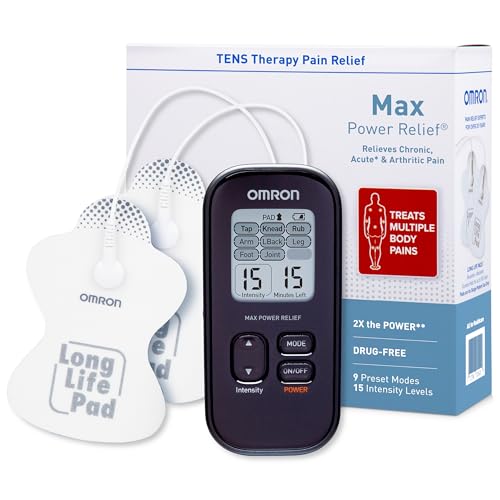
Why it's here: OMRON specifies six body-area modes and three massage-style modes, with 15 intensity levels. Those are nine modes, not two or 15. It uses AAA batteries and one channel.
- Nine modes and 15 intensity levels
- Manufacturer lists replaceable Long Life pads
- One channel
- Read the manual; simple controls do not remove safety requirements
3. Belifu Dual Channel TENS + EMS

Why it's here: A combined TENS/EMS listing with 24 modes and ten included pads. Compare it only if you need the functions described in its manual; a combination label does not establish an appropriate rehabilitation program.
- Dual-channel design listed
- Ten pads listed in the package
- Check replacement-pad costs and connectors
- No device-specific clearance independently verified here
4. iReliev Rechargeable TENS + EMS — 14 Modes

Why it's here: The linked listing describes a rechargeable combination device, 14 modes and a backlit display. It advertises FDA clearance; we have not independently matched this listing to a clearance record or confirmed the ET-7070 model name previously used here.
- Backlit display listed
- Twelve electrodes and case listed
- Confirm exact model and intended uses before ordering
- No evidence here that it outperforms the other devices
5. Compex Edge 3.0 with TENS
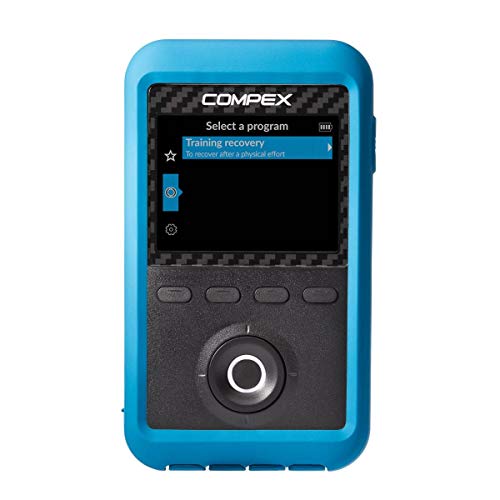
Why it's here: The linked Edge 3.0 is an EMS device with a TENS function and four listed programs. It is not a pure-EMS unit. Choose around the instructed use, not the expectation of replacing exercise.
- Four-program design
- TENS function included
- Check whether the program set fits your need
- No comparative strength or recovery trial performed here
TENS vs EMS
The NHS describes TENS as a way to obtain temporary pain relief that does not work for everyone. EMS produces muscle contractions. The FDA’s EMS guidance distinguishes legitimate device uses from claims of effortless weight loss or major appearance changes. Neither description proves that every product here is appropriate for you.
What to Compare Before Buying
- Exact model and intended use: read its manual and warnings. A similar brand name is not enough to identify the device.
- Controls: decide whether you prefer presets or need settings specified by a professional. Two lead wires do not necessarily mean two independently programmable channels.
- Pads: check connectors, replacement availability and care instructions. Included pad count is not a guarantee of service life.
- Power: compare rechargeable models with replaceable batteries according to your routine.
- Support: check the seller’s warranty and return terms, including exclusions for opened electrode pads.
For example, OMRON’s PM500 documentation separates nine modes from 15 intensity settings and identifies one channel and AAA power. Its pad-lifespan figure is a manufacturer claim, not our endurance test.
When to Skip or Seek Advice First
NHS guidance says not to use TENS with a pacemaker or epilepsy, or during pregnancy unless a doctor or midwife advises it. Follow the exact device’s additional contraindications and pad-placement instructions. Do not place pads on damaged skin or use the device while driving, sleeping or bathing. Ask a healthcare professional before starting if you are unsure whether TENS is safe for you.
If your goal is diagnosing pain or choosing an injury-rehabilitation program, start with a clinician or physiotherapist. If you only want to change how you sit and work, our workspace guide addresses that different need.
Frequently Asked Questions
Does a device with more modes work better?
Not necessarily. We have not compared these devices in a controlled pain-relief study. Clear instructions and an appropriate use matter more than the largest mode count.
How long should a session last?
Use the exact model’s instructions and any professional guidance. We do not prescribe a single session length or schedule across devices.
Is an FDA claim in an Amazon title enough?
A listing’s claim should be checked against the exact model and intended use. We have not independently verified a clearance record for every product in this comparison.
How We Picked and Honest Limitations
We compared the linked Amazon identities and documented controls, formats and power options. This is not a clinical trial, an electrical-safety test or a hands-on comparison of pain relief. We removed contradictory program counts and unsupported rankings based on battery life, regulatory status and therapeutic superiority.
See TENS versus EMS for a separate format comparison.
Ready to Buy?
We may earn a commission if you buy through these links.
Prices checked: Oct 3, 2026, 8:06 PM UTC
Product prices and availability are accurate as of the date/time indicated and are subject to change. Any price and availability information displayed on Amazon.com at the time of purchase will apply to the purchase of this product.
Any prices mentioned in the article text are approximate and for comparison only; the figure shown with each product above is the one checked against Amazon at the time stated.
As an Amazon Associate, DeskFitPro earns from qualifying purchases.
Related Products
Hyperice Normatec 3 — Recovery System
Check Price on Amazon →
Chilipad Cube Bed Cooling System - Cooling & Heating Mattress Topper, Set Individual Bed Temperature, Cool Sleep Enhancement, Temp Range of 60-115°F, ME Half Queen Bedsize (30"W x 80"L), Model: CP500
Check Price on Amazon →