As an Amazon Associate, we earn from qualifying purchases.
Pulsetto FIT (V2) Wellness Wearable
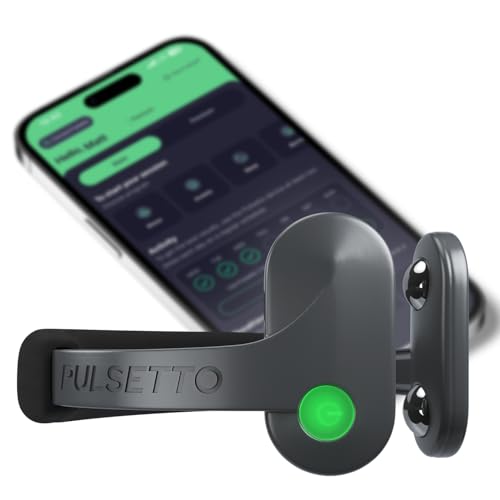
$269, second-generation transcutaneous cervical vagus nerve stimulator (tVNS), no subscription, lifetime app access, five preset programs (Sleep / Stress / Burnout / Pain / Anxiety). The most direct vagal stimulation mechanism in the consumer market and the strongest published evidence base.
Check Price on Amazon →At a Glance
- TOP PICK: Pulsetto FIT (V2) — Cervical Vagus Nerve Stimulator
- BEST VALUE CERVICAL: Pulsetto Lite (V1) — Original Cervical tVNS
- Sensate — Infrasound Vagal Toning Device
- HOOLEST VeRelief Prime — Auricular Vagus Nerve Stimulator
- Apollo Neuro — Vibration-Based Parasympathetic Wearable
The vagus nerve stimulator category has gone from one obscure niche product to four serious competitors in less than three years — and the right pick depends almost entirely on which mechanism you respond to (electrical vs mechanical vs vibration) and whether you’ll tolerate a subscription model. Pulsetto leads the cervical-electrical category with the strongest published evidence base. Sensate uses infrasound vibration through the sternum for users who don’t want electrical sensation. HOOLEST VeRelief targets the auricular branch via ear electrodes. Apollo Neuro takes a different approach entirely — wrist-worn vibration that engages the parasympathetic system indirectly. This roundup covers the five real options in the 2026 market, the actual science behind each mechanism, and a clear decision framework for which buyer fits which device.
Health Disclaimer: The devices in this roundup are classified as wellness devices, not FDA-cleared medical devices for the diagnosis or treatment of specific conditions. They are not substitutes for medical evaluation or treatment for anxiety, depression, sleep disorders, epilepsy, or any other clinical condition. Do not use if you have a pacemaker, implanted defibrillator, are pregnant, have epilepsy, or have any cardiac arrhythmia — talk to your physician first.
What Vagus Nerve Stimulation Actually Does
The vagus nerve is the body’s longest cranial nerve and the primary parasympathetic (“rest and digest”) nerve. It carries signals between the brain and major organs (heart, lungs, gut) and is the physiological wiring underneath your body’s stress-recovery balance. Higher vagal tone correlates with better heart rate variability (HRV), faster recovery from stressors, better sleep quality, and more resilient mood regulation.
Implanted vagus nerve stimulation (VNS) has been FDA-approved since 1997 for treatment-resistant epilepsy and later for depression. Those devices surgically place electrodes around the cervical vagus nerve. The consumer-tier devices in this roundup use transcutaneous vagus nerve stimulation (tVNS) — non-invasive stimulation through the skin to either the cervical branch (on the neck) or the auricular branch (in the ear). Other devices in the category use indirect approaches (infrasound through bone conduction, mechanical vibration through skin) that target the parasympathetic system without directly activating the nerve.
The published evidence base for tVNS specifically: systematic reviews of randomized trials have consistently found measurable improvements in HRV, anxiety scores, and sleep quality compared to sham stimulation. The effect sizes are small-to-moderate, the studies are typically small (n=20-80), and the placebo response is substantial. The general consensus across this literature: real but modest effects, best supported for stress and sleep, less robust for depression or pain.
For deeper coverage of the science and the Pulsetto product line specifically, see our full Pulsetto review.
The Four Mechanisms (and Which One You’ll Respond To)
This is the spec sheet that matters most, and almost no review covers it directly:
1. Cervical electrical stimulation (Pulsetto): Direct electrical pulses delivered through neck-side electrodes to the cervical vagus nerve. The most direct mechanism — pulses activate the nerve, parasympathetic tone increases. Strongest published evidence base in the consumer category. You feel a tingling-to-pulsing sensation under the electrodes during use.
2. Auricular electrical stimulation (HOOLEST): Direct electrical pulses delivered through ear electrodes to the auricular branch of the vagus nerve. Same general mechanism as cervical stimulation, different access point. The auricular branch has a slightly different evidence base — some research suggests faster onset, some suggests less robust HRV effects.
3. Infrasound mechanical vibration (Sensate): Low-frequency mechanical vibration (16-200 Hz) delivered to the sternum, theoretically transmitted to the vagus nerve via bone conduction. Indirect mechanism — vibrations travel through tissue to reach the nerve, no electrical sensation. Smaller published evidence base than electrical stimulation, but a real product story for users who don’t want electrical sensations.
4. Skin vibration (Apollo Neuro): Gentle mechanical vibrations at specific frequencies delivered through a wrist or ankle wearable. Most indirect mechanism — claimed to engage the parasympathetic system through touch-based sensory input rather than direct vagal activation. The evidence base is the thinnest of the four mechanisms.
Practical implication: if you’ve tried one mechanism and it didn’t work for you, that doesn’t mean none of them will. Users who don’t respond to electrical stimulation sometimes do well with Sensate’s infrasound approach, and vice versa.
Best Vagus Nerve Stimulators at a Glance
- Best Overall: Pulsetto FIT (V2) — most direct mechanism, no subscription, strongest evidence
- Best Budget Cervical Electrical: Pulsetto Lite (V1) — V1 hardware at $20 less
- Best Mechanical (No Electrical Sensation): Sensate — infrasound through sternum, paired with binaural audio
- Best Auricular / Fastest-Growing: HOOLEST VeRelief Prime — ear-based electrical, +586% YoY brand search
- Best Wrist-Worn Vibration: Apollo Neuro — different mechanism, requires subscription
Comparison Table
| Device | Mechanism | Location | Subscription | Price |
|---|---|---|---|---|
| Pulsetto FIT (V2) | Electrical | Neck (cervical) | None | ~$269 |
| Pulsetto Lite (V1) | Electrical | Neck (cervical) | None | ~$249 |
| Sensate | Infrasound | Sternum (chest) | Optional | ~$279 |
| HOOLEST VeRelief Prime | Electrical | Ear (auricular) | None | ~$199 |
| Apollo Neuro | Vibration | Wrist or ankle | Required | ~$458 |
Detailed Reviews
1. Pulsetto FIT (V2) — Cervical Vagus Nerve Stimulator
 Check Price on Amazon →
2. Pulsetto Lite (V1) — Original Cervical tVNS
 Check Price on Amazon →


The Subscription Question
Apollo Neuro is the only device in this roundup that requires an ongoing subscription. The entry price, about $380, includes 12 months of SmartVibes; after year 1, you pay $4.99/month to keep access to the program library. Over a 5-year ownership window, Apollo Neuro costs roughly $700 total versus Pulsetto FIT at $269 one-time — a $431 difference for what most buyers will agree is a more indirect mechanism.
This is the same pattern we see in other consumer wearable categories (Oura’s subscription model in smart rings), and the same logic applies: subscription-bundled products work for users who specifically value the ongoing software development the subscription pays for. For users who just want the device to do what it does without ongoing fees, the no-subscription competitors (Pulsetto, HOOLEST, Sensate’s optional sub model) win on math.
The Decision Tree
Question 1: Have you used a vagus nerve stimulator before?
- No, first time → start with Pulsetto FIT (V2). The most direct mechanism, no subscription, the most published evidence. If vagal stimulation is going to work for you, this is the device that’ll demonstrate it.
- Yes, tried something already → continue to Question 2.
Question 2: How did you respond to the previous device?
- Didn’t notice anything from electrical (Pulsetto, HOOLEST) → try Sensate. Different mechanism (mechanical/infrasound) sometimes works for users who don’t respond to electrical stimulation.
- Found electrical sensation unpleasant → Sensate for the indirect mechanical approach, or Apollo Neuro for the most subtle wearable option.
- Want to try direct stimulation at a different access point → HOOLEST VeRelief Prime for auricular vs cervical.
Question 3: What’s your budget?
- Under $250 → HOOLEST VeRelief Prime ($199) — cheapest direct electrical option, no subscription.
- $250-300 → Pulsetto FIT (V2) ($269) or Sensate ($279). The sweet spot — choose mechanism preference.
- $450+ and OK with subscription → Apollo Neuro, only if the wearable form factor specifically matters to you.
When to Skip: a Vagus Nerve Stimulator
Three cases where the right next step is something else entirely:
You’re experiencing significant anxiety, depression, panic attacks, or chronic insomnia. These are diagnosable clinical conditions with evidence-based treatments (CBT, medications, sleep medicine). A consumer vagus nerve stimulator is appropriate as an adjunct for someone with mild-to-moderate everyday stress, not as a primary intervention for clinical conditions. If your symptoms interfere with daily functioning, the right first step is a primary care physician, psychiatrist, or sleep medicine specialist — not a $269 device.
You have a pacemaker, implanted defibrillator, history of cardiac arrhythmia or vagal-mediated syncope, epilepsy, or are pregnant. These are absolute or relative contraindications for any vagal device. Talk to your physician before purchase.
You’re not sleeping enough. Vagal devices won’t fix sleep deprivation. If you’re consistently getting under 7 hours of sleep, your baseline stress / HRV / mood markers are broken at the source. Fix sleep first (sleep hygiene, schedule consistency, potentially a sleep mask — see our Manta Sleep Mask review). A vagal stimulator on top of broken sleep produces minimal benefit; the same stimulator on top of adequate sleep produces meaningful HRV improvement over weeks.
Honest Limitations of This Guide
Vagus nerve stimulation is a legitimate research area, but the consumer-device evidence is thinner than the marketing implies, and we’d rather say so plainly:
- The supporting trials are small, short, and heavy on placebo. Most tVNS studies run roughly 20-80 participants over weeks, report small-to-moderate effects on HRV, anxiety, and sleep, and sit against a substantial placebo response. That’s real signal, but a long way from the certainty a $269 wellness device markets. The effects are best supported for stress and sleep, weakest for depression and pain.
- No head-to-head trial compares these five devices. Cervical-electrical (Pulsetto), auricular-electrical (HOOLEST), infrasound (Sensate), and wrist vibration (Apollo) have separate, uneven evidence bases — and the infrasound and wrist-vibration mechanisms are the thinnest of the group. Ranking Pulsetto first reflects the most direct mechanism and the deepest published base, not a study proving it beats the others in your body.
- HRV improvement is a proxy, and response is highly individual. Higher heart rate variability is a marker, not the outcome you actually want (better sleep, lower stress). Some users feel a clear effect; others feel nothing from a mechanism that works well for someone else. There’s no way to predict in advance which mechanism you’ll respond to — which is exactly why we frame this as a decision tree, not a single verdict.
How We Picked These
We built this roundup around the one variable most reviews ignore: the stimulation mechanism. We identified the five real vagus-nerve-targeting devices on the 2026 market, grouped them by mechanism (cervical-electrical, auricular-electrical, infrasound, wrist-vibration), and weighed each on the strength of its published evidence base, the directness of the mechanism, subscription cost over a realistic ownership window, and verified Amazon ASIN and pricing at publication.
We did not run a clinical trial or measure HRV changes on our own subjects — no honest consumer roundup can. The recommendations rest on the peer-reviewed tVNS literature, each device’s mechanism and contraindication profile, and aggregated owner feedback. Because response is so individual, we deliberately built a decision tree rather than declaring one universal winner.
Our Pick
For most buyers in 2026: the Pulsetto FIT (V2) at $269 — the most direct vagal stimulation mechanism, the strongest evidence base in the consumer category, second-generation hardware refinements, and no ongoing subscription cost. Step to HOOLEST VeRelief Prime ($199) if you want the auricular branch approach at a lower price, or to Sensate ($279) if you specifically want a non-electrical mechanical approach.
Check Pulsetto FIT on Amazon →Going deeper on the science? Read our Pulsetto review for the full mechanism discussion, contraindications, and protocol guidance.
Prices checked: Sep 10, 2026, 7:26 PM UTC
Product prices and availability are accurate as of the date/time indicated and are subject to change. Any price and availability information displayed on Amazon.com at the time of purchase will apply to the purchase of this product.
Any prices mentioned in the article text are approximate and for comparison only; the figure shown with each product above is the one checked against Amazon at the time stated.
As an Amazon Associate, DeskFitPro earns from qualifying purchases.
