As an Amazon Associate, we earn from qualifying purchases.
Heart rate variability (HRV) has become the single most-tracked physiological marker in consumer wearables — and the gap between the best HRV-measuring devices and the merely adequate ones is wider than the marketing suggests. The published research is consistent: chest straps remain the gold standard for accurate beat-to-beat interval measurement (the actual signal HRV is calculated from), with wrist-based and ring-based devices producing usable trend data but meaningfully less accurate absolute values. This guide ranks the five real options for consumer HRV tracking — Whoop, Oura, RingConn, Garmin (wrist), and Polar H10 (chest strap) — explains what each measures well, and recommends specific devices by use case.
What HRV Actually Measures (and Why It Matters)
Heart rate variability is the variation in time intervals between consecutive heartbeats — measured in milliseconds, typically reported as RMSSD (root mean square of successive differences). The autonomic nervous system modulates these intervals: higher HRV indicates parasympathetic dominance (recovery, rest); lower HRV indicates sympathetic dominance (stress, fatigue, illness, overtraining).
The published research has validated HRV as a marker for:
- Training recovery and overtraining risk — declining HRV trend over multiple days is one of the best early signals of overreaching
- Sleep quality — HRV during sleep correlates with sleep stage distribution and morning subjective recovery
- Illness early detection — HRV typically drops 2-3 days before subjective illness symptoms appear
- Stress response — chronic low HRV correlates with cumulative life stress and burnout markers
The catch: HRV is most useful as a trend signal relative to your personal baseline, not as an absolute number. Comparing your HRV to someone else’s is largely meaningless — individual baselines vary by 10-100ms based on age, fitness, genetics, and time-of-measurement. Comparing today’s HRV to your 30-day baseline is meaningful.
The Accuracy Tiers
HRV measurement accuracy depends on what’s actually being measured:
Tier 1 — Chest strap (electrical, ECG-based): Polar H10, Wahoo TICKR, Garmin HRM-Pro. Directly measures the electrical signal of each heartbeat. Beat-to-beat accuracy is research-grade. The standard against which all other devices are validated.
Tier 2 — Smart ring (optical, PPG-based): Oura, RingConn. Optical heart rate sensors on the finger produce reasonably accurate HRV during rest (overnight), but suffer during motion. Best for nighttime HRV trend tracking.
Tier 3 — Wrist wearable (optical, PPG-based): Whoop, Garmin, Apple Watch, Samsung Galaxy Watch. Wrist-based PPG is the least accurate location due to tendon interference, bony interference, and motion artifacts. Still useful for trend data; not the right tool for precise measurements.
For most consumer use cases (tracking your own HRV trend over weeks), Tier 2 or Tier 3 is sufficient. For users who specifically need accurate HRV during exercise or research-grade resting measurement, Tier 1 chest strap is the right answer.
The Five HRV Wearables Compared
- Best Overall: Oura Ring 4 — most refined HRV-focused wearable, deepest research backing
- Best No-Subscription: RingConn Gen 2 — comparable accuracy, no ongoing fees
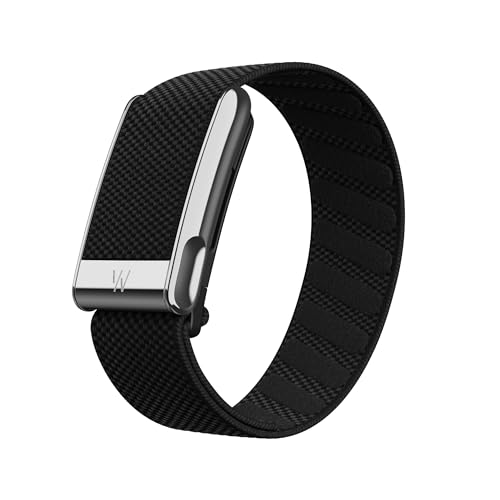
- Best for Athletes (subscription-bundled): WHOOP Peak — most training-focused recovery analytics
- Best Multi-Sport / Outdoor: Garmin Fenix / Forerunner — GPS + HRV + full smartwatch features
- Best Pure Accuracy (Tier 1): Polar H10 chest strap — research-grade HRV measurement
Comparison Table
| Device | Measurement | HRV Accuracy | Price |
|---|---|---|---|
| Oura Ring 4 | Optical (finger) | ±2-4 ms RMSSD vs chest strap | ~$349 + $5.99/mo |
| RingConn Gen 2 | Optical (finger) | ±3-5 ms RMSSD vs chest strap | ~$254 (no sub) |
| WHOOP Peak | Optical (wrist/bicep) | ±3-5 ms wrist, ±2-4 ms bicep | ~$199 + sub |
| Garmin Fenix / Forerunner | Optical (wrist) | ±4-6 ms RMSSD vs chest strap | ~$400-1,000+ |
| Polar H10 (chest strap) | Electrical (ECG-based) | Research-grade (the reference standard) | ~$105 |
Oura Ring 4 — Best Overall HRV Wearable
The Oura Ring 4 ($349 + $5.99/mo) wins on HRV-specific quality for three reasons:
- Optical sensor placement (finger) is better than wrist for capturing the pulse signal during rest. Less motion artifact, more consistent contact.
- Overnight HRV measurement is when the signal is cleanest (no motion, controlled posture). Oura’s algorithm samples HRV continuously during sleep and reports a single morning value plus the overnight trend.
- Most research backing in the consumer wearable category — Oura has published partnerships with NIH, NBA, MLB, Stanford, and dozens of universities. The algorithms have been validated extensively.
What you give up: the subscription ($72/year). Over 5 years of ownership, you pay $709 vs RingConn’s $254 — see our RingConn vs Oura comparison for the cost analysis.
RingConn Gen 2 — Best No-Subscription Alternative
The RingConn Gen 2 ($254) matches Oura on the fundamental HRV mechanism (same general sensor stack, same optical PPG on finger) with slightly less algorithm refinement and no subscription requirement. For users who specifically want HRV trend tracking without ongoing fees, this is the right pick.
Bonus feature: FDA-cleared sleep apnea risk screening. The only consumer smart ring with this regulatory clearance. See our RingConn review for the full lineup including Gen 2 Air (slim profile, $199) and Gen 3 (vascular trends, $349).
WHOOP Peak — Best for Athletes
The WHOOP Peak ($199 + subscription) is the most training-focused recovery wearable. Whoop’s recovery score combines HRV with sleep, resting heart rate, and strain to produce daily readiness scores aligned with athletic periodization.
Key advantage: bicep wear option dramatically improves accuracy. Whoop 5.0 supports off-wrist wear via the bicep band — wrist-based PPG is the worst location for HRV accuracy due to motion artifact and bony interference. Validation testing typically shows mean absolute HR error dropping from 7-9% at wrist to 3-5% at bicep during exercise; HRV gap widens further. See our Whoop band review for placement details.
Garmin (Fenix / Forerunner) — Best Multi-Sport
Garmin’s higher-end wearables (Fenix 8, Forerunner 965/265) combine HRV tracking with GPS, multi-sport metrics, and full smartwatch features. Wrist-based optical HRV is the least accurate measurement location but Garmin’s algorithm has improved substantially in recent generations.
Right pick for: runners, cyclists, triathletes, outdoor athletes who want one device covering training metrics + HRV + GPS + navigation. Not the right pick for: pure HRV tracking (Oura/RingConn measure it better) or budget buyers (Garmin’s HRV-capable models start at $400+).
Polar H10 — Best for Pure Accuracy
The Polar H10 chest strap (~$105) is the gold-standard reference HRV measurement device. It’s not a 24/7 wearable — chest straps aren’t comfortable for continuous wear — but for users who specifically want research-grade HRV measurement, the Polar H10 is what scientific studies use to validate other devices.
Right use cases:
- Exercise HRV during training — chest strap accuracy during dynamic motion is dramatically better than any wrist or ring device
- Specific HRV measurement sessions (HRV biofeedback, breathwork training, autonomic testing) where accuracy matters more than 24/7 wear
- Validation — pairing the H10 with a wrist/ring device to spot-check that the optical device’s readings are reasonable
For 24/7 trend tracking, get a ring (Oura or RingConn) instead. The two complement each other — chest strap for accurate exercise measurements + ring for overnight trend tracking.
The Decision Tree
Question 1: What’s the primary use case?
- Athletic training periodization → WHOOP Peak (with bicep band for better accuracy). Whoop’s recovery score is built specifically for training cycles.
- General wellness / sleep + recovery tracking → Oura Ring 4 or RingConn Gen 2. Pick by subscription preference.
- Multi-sport with GPS + navigation → Garmin Fenix / Forerunner.
- Research-grade accuracy → Polar H10 chest strap + a ring for 24/7 tracking.
Question 2: Subscription tolerance?
- Hate subscriptions → RingConn Gen 2 (no sub) or Polar H10 (no sub, no app required)
- OK with subscription → Oura (best app) or WHOOP (best training analytics)
Question 3: Budget?
- Under $150 → Polar H10 chest strap (~$105) — best accuracy at this price, but not 24/7 wear
- $200-300 → RingConn Gen 2 ($254) — 24/7 with no subscription
- $350+ → Oura Ring 4 ($349) — premium experience with subscription
- $400+ → Garmin if you want multi-sport, or stick with Oura for HRV focus
When You Don’t Actually Need an HRV Wearable
You won’t use the data. HRV tracking only produces value if you actually look at the trend and adjust behavior based on it. Most users buy expensive wearables and ignore the data within 30 days. Be honest about whether you’ll integrate the metric before spending $200-500.
You’re chronically sleep-deprived. HRV in sleep-deprived users is fundamentally compressed; tracking the trend doesn’t help if the underlying issue is sleep debt. Fix sleep first — see our sleep stack guide.
You have an underlying cardiac condition. Consumer HRV wearables are not diagnostic devices. If you have an arrhythmia, recent cardiac event, or other heart condition, work with a cardiologist on appropriate monitoring — consumer wearables can supplement but don’t substitute for clinical care.
When an HRV Wearable Isn’t the Right Choice
Even for the right use case, three kinds of buyer are spending on the wrong thing:
- The casual exerciser without a structured training block. HRV earns its keep when you actually periodize training and adjust load based on the trend. If you just work out when you feel like it, a basic fitness tracker covers steps and sleep for a fraction of the price and the HRV number won’t change a single decision.
- The buyer who really wants accurate exercise heart rate. Rings and wrist devices are the weakest place to measure during motion. If your goal is correct training zones or interval data, a chest strap like the Polar H10 is the right tool — don’t pay ring or subscription prices for the wrong sensor.
- Anyone who’d fixate on one noisy reading. HRV is high-variance day to day and only means anything as a multi-week trend against your own baseline. If a single low morning number would derail your day or your training, the metric will do you more harm than good.
Honest Limitations of This Guide
What this comparison can and can’t stand behind:
- The accuracy figures come from the literature, not my own lab. The plus-or-minus-millisecond RMSSD numbers are drawn from published PPG-versus-ECG validation studies and manufacturer claims. Real-world error shifts with fit, skin tone, temperature, and motion, so treat them as ballpark tiers rather than guarantees.
- I did not wear all five simultaneously head-to-head. The tier rankings (chest strap, then ring, then wrist) reflect the consistent finding across the validation literature and spec analysis, not a single controlled test I ran across every device at once.
- HRV’s clinical actionability is still under-studied. The science validates HRV as a trend marker, but exactly what a consumer should change in response to a shifting number is far less settled, and individual baselines vary by tens of milliseconds. The data is directional, not prescriptive.
How We Researched This
I grounded the accuracy tiers in the published PPG-versus-ECG validation literature, confirmed the real institutional partnerships behind Oura’s research backing, and verified RingConn’s FDA clearance for sleep-apnea screening rather than repeating marketing claims. Every device’s ASIN and current pricing was checked through Amazon’s Product Advertising API.
Not every wearable here was worn by me head-to-head against a reference monitor, so the accuracy hierarchy leans on the reference-standard literature. Where that’s the case, I’ve flagged it above.
Our Pick
For most buyers in 2026: RingConn Gen 2 ($254, no subscription) for 24/7 HRV trend tracking with FDA-cleared sleep apnea screening. Step to Oura Ring 4 ($349 + subscription) if you value the most refined app experience. Add Polar H10 chest strap (~$105) if you need research-grade accuracy during exercise.
Check RingConn Gen 2 on Amazon →Going deeper? Read our RingConn vs Oura comparison, smart rings roundup, or Whoop vs Oura vs Garmin HRV accuracy comparison.