Our #1 Pick for Nocturnal Leg Cramps: Thorne Magnesium Glycinate — 120mg elemental per capsule, NSF Certified for Sport, virtually no GI side effects. The glycine component doubles as a calming neurotransmitter, which is why most cramp sufferers also report falling asleep faster within the first week.
At a Glance
- TOP PICK: Thorne Magnesium Glycinate — Why I recommend it for cramps: Glycinate is the form most consistently flagged by sleep clinicians and sports medicine doctors for nocturnal leg cramps. The bisglycinate chelate delivers magnesium across the gut wall without the osmotic laxative effect. Take two capsules 60–90 minutes before bed and most users notice fewer cramp wake-ups within 5–10 nights. The glycine itself has independent calming effects on the nervous system, which is why cramp relief and sleep improvement tend to show up together.
| Brand | Form | Elemental Mg / Dose | GI Tolerability | Cramp-Relief Evidence | Price per Dose |
|---|---|---|---|---|---|
| Thorne | Glycinate | 120 mg (1 cap) | Excellent | Strong — nocturnal cramps | $0.29 |
| Doctor's Best | Glycinate Lysinate | 200 mg (2 tabs) | Excellent | Strong — general cramps | $0.18 |
| BioEmblem | Glycinate + Malate + Citrate | 300 mg (2 caps) | Good | Strong — exercise cramps | $0.27 |
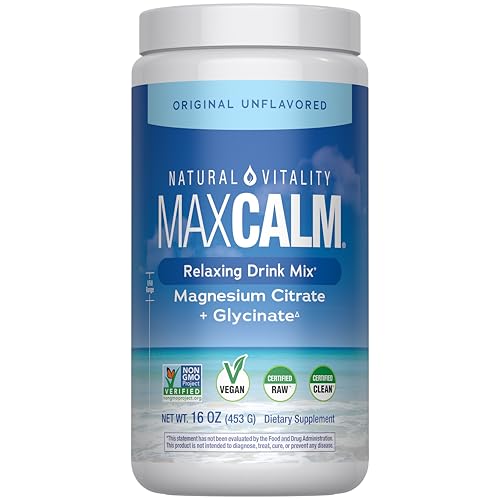
| Natural Vitality Calm | Citrate (powder) | 325 mg (2 tsp) | Fair (laxative risk at full dose) | Moderate — acute relief | $0.45 |
| LMNT Recharge | Mg Malate + Na + K | 60 mg + 1000mg Na + 200mg K | Excellent | Strong — sweat / athletic cramps | $1.50 |
Most people reach for the cheapest magnesium they can find when leg cramps wake them up at 3 AM — usually magnesium oxide, the form sold in every drugstore in America. It almost never works for cramps, and the reason is chemistry, not dose. Magnesium oxide is only about 4% bioavailable. The remaining 96% sits in your gut, pulls water in, and gives you diarrhea — not relief from the charley horse that’s currently locking up your calf.
This guide focuses on the 5 magnesium forms that actually reach your bloodstream and muscle tissue in usable amounts: glycinate, citrate, malate, blends, and electrolyte combinations. We evaluated each on elemental magnesium per dose, GI tolerability, bioavailability, real-world cramp-relief reports, and price per dose — not marketing claims. If you want our deep-dive on the category-leader, see our full Thorne Magnesium Glycinate review.
Health Disclaimer: Persistent or severe cramps can signal kidney disease, thyroid dysfunction, statin side effects, or neurological issues. See a doctor if cramps last longer than two weeks, occur during exercise alongside chest pain, or come with weakness, numbness, or swelling. Magnesium is not a substitute for medical evaluation, and people with kidney disease should not supplement magnesium without physician supervision.
Why Magnesium Oxide Won’t Stop Your Cramps
Walk into any pharmacy and 90% of the magnesium on the shelf is magnesium oxide. It’s cheap to manufacture, easy to compress into a 500mg tablet, and the label number looks impressive. The problem is what that 500mg actually does inside your body.
Magnesium oxide has a bioavailability of roughly 4%. Out of a 500mg pill, you absorb maybe 20mg of actual elemental magnesium into your bloodstream. The other 480mg passes through your digestive tract, where it acts as an osmotic laxative — pulling water into your intestines. That’s why magnesium oxide is the active ingredient in milk of magnesia. It’s literally a stool softener that happens to contain magnesium.
Compare that to magnesium glycinate or citrate, which run 30-40% bioavailability. A 200mg dose of glycinate delivers more usable magnesium to your muscle tissue than a 500mg dose of oxide — with no laxative effect. If you’ve been taking generic magnesium for cramps and “it isn’t working,” the dose isn’t the problem. The form is.
The other tell: if your magnesium gives you loose stools within an hour, almost none of it reached the calf muscle that woke you up last night. That’s the magnesium doing its osmotic job in your gut, not in your nervous system.
Detailed Reviews
2. Doctor’s Best High Absorption Magnesium

- Form: magnesium glycinate lysinate chelate (Albion-licensed TRAACS chelate)
- Elemental Mg per serving: 200mg (2 tablets)
- 240 tablets per bottle — 60 day supply at clinical dose
- 100% chelated — none of the listed magnesium is oxide
- Vegan, non-GMO, gluten-free
- Highest review count of any magnesium on Amazon (75,000+)
- Cheapest per-mg of any clinically-effective form on this list
- 200mg full clinical dose in two tablets — straightforward dosing
- Doctor’s Best has 35+ year manufacturing track record
- Tablets are large and chalky — many reviews mention difficulty swallowing
- Not third-party sport-certified like Thorne
- Direction says 4 tablets/day, but most cramp users find 2 is enough
Why I recommend it for cramps: If you want the proven cramp-relieving form (chelated glycinate) without paying premium pricing, this is the obvious choice. The 200mg per-serving dose hits the recommended therapeutic window for adult cramps in a single dose — no need to count out 2-3 capsules. Take both tablets 60-90 minutes before bed. The only real downside is pill size: at roughly 3/4” long, swallowing two of them takes commitment. Crush them in applesauce if needed.
Check Price on Amazon →3. BioEmblem Triple Magnesium Complex

- Form: blend of magnesium glycinate, malate, and citrate
- Elemental Mg per serving: 300mg (2 capsules)
- 90 capsules per bottle (45-day supply)
- Each form targets a different mechanism — glycinate calms, malate fuels muscle ATP, citrate improves overall absorption
- Third-party tested for purity and label accuracy
- Malate component is the only common magnesium form directly linked to muscle ATP production — relevant for exercise cramps
- Three forms hedge against individual absorption differences
- 300mg hits full RDA in one serving
- Strong review base with consistent cramp-relief reports
- Blend means you don’t know exactly how much of each form you’re getting
- Citrate component adds modest laxative risk at higher doses
- Less granular control than single-form supplements
Why I recommend it for cramps: If your cramps hit during or after workouts — not at 3 AM — the malate component matters. Magnesium malate ties directly into the Krebs cycle (cellular energy production), and muscles that are running short on ATP are more prone to involuntary contraction. The triple-form approach also covers people who don’t know which form their body absorbs best. Take with food to soften the citrate’s mild laxative effect.
4. Natural Vitality Calm Magnesium Powder

- Form: magnesium citrate (from magnesium carbonate + citric acid)
- Elemental Mg per serving: 325mg (2 tsp dissolved in hot water)
- Drinkable — fizzy, lemon or raspberry-lemon flavor
- 16 oz canister = ~60 servings
- Faster onset than capsules because dissolved magnesium absorbs faster
- Fastest-acting of the picks — felt within 30-60 minutes
- Easy to titrate dose (start with 1 tsp, work up)
- Genuinely enjoyable to drink before bed — feels like a ritual
- Citrate has decades of clinical data for cramps
- Citrate is the most laxative-prone of the picks at full dose
- Sweetened with stevia — some find aftertaste off-putting
- Bulky canister — not travel-friendly
- Stored powder can clump in humid environments
Why I recommend it for cramps: If you’ve been waking up with a cramp at 3 AM and want something that acts fast — not something you have to take preventatively for two weeks — citrate powder is the answer. The dissolved form absorbs faster than capsules. Start with 1 teaspoon (about 160mg elemental) before bed to avoid the laxative effect, then scale to 2 tsp if your gut tolerates it. This is also the one I’d reach for during a long-haul flight when cramps are most likely.
5. LMNT Recharge Electrolyte Drink Mix

- Form: magnesium malate + sodium chloride + potassium chloride
- Per stick: 60mg magnesium, 1000mg sodium, 200mg potassium
- No sugar, no artificial colors
- Mix in 16 oz water — sweet/salty drink
- 30 sticks per pack ($1.50/serving)
- Only pick that addresses all three relevant electrolytes simultaneously
- 1000mg sodium per stick is the actual amount athletes lose in sweat — most “sports drinks” underdose this by 4-5x
- Malate form supports muscle ATP during exercise
- Used by combat athletes, ultra-runners, sauna users for exactly this purpose
- Magnesium dose (60mg) is lower than dedicated mag supplements — this is electrolyte support, not magnesium therapy
- 1000mg sodium per stick is too much for sedentary users — only take after sweat sessions
- Salty flavor is polarizing — Citrus Salt is the most approachable
- Expensive per dose vs capsules
Why I recommend it for cramps: Here’s the thing most “best magnesium” articles miss — if you’re cramping during or after hot workouts, magnesium alone won’t fix you. Sweat loses sodium at 800-1500mg per liter, potassium at 200-400mg per liter, and magnesium at maybe 10-20mg per liter. You’re not magnesium-deficient, you’re sodium-and-potassium deficient with a side of magnesium. LMNT is the only product on this list that addresses all three. If your cramps happen in the gym, sauna, or on long runs, drink one stick within 30 minutes of finishing.
When Cramps Aren’t Magnesium — Other Causes to Rule Out First
Magnesium supplementation helps a real subset of leg cramp sufferers — but not all of them. Before you commit to a daily supplement habit, run through this list. If any of these apply, address that first, because no amount of magnesium will fix the underlying cause.
- Dehydration. The single most common cause of nocturnal leg cramps in adults over 50. Aim for 2-3 liters of plain water per day before chasing supplements. If your urine is darker than pale straw by mid-afternoon, you’re under-hydrated.
- Sodium and potassium imbalance. If you’re on a low-carb or carnivore diet, sweat heavily, or take blood pressure medications that lose sodium, you can cramp even with perfect magnesium status. Bananas (potassium) and salted bone broth (sodium) often fix this faster than magnesium.
- Statin medications. Atorvastatin, simvastatin, and rosuvastatin all cause muscle cramps in roughly 5-10% of users — sometimes severe. If your cramps started within months of beginning a statin, talk to your doctor about CoQ10 supplementation or a different formulation. This is not a magnesium problem.
- Restless legs syndrome (RLS). If your “cramps” are actually a creeping urge to move your legs when you lie down, that’s RLS, not a muscle cramp. RLS responds to iron supplementation (if ferritin is low), dopamine agonists, or gabapentin — not magnesium.
- Peripheral neuropathy. Diabetics and people with B12 deficiency get burning, tingling cramps that magnesium won’t touch. Get a basic metabolic panel and B12 level before assuming this is dietary.
- Varicose veins and venous insufficiency. Cramps from poor venous return tend to be worse after a long day on your feet, not at 3 AM. Compression socks and elevation often help more than supplements.
- Diuretic medications. Loop and thiazide diuretics (furosemide, hydrochlorothiazide) flush magnesium and potassium together. If your cramps started after a blood pressure prescription, ask your doctor about a potassium-sparing alternative.
If you’ve ruled all of these out — or if the cramps are clearly random, nocturnal, and not tied to exercise or medication — magnesium is the next reasonable thing to try.
Dosing for Cramp Relief: How Much and When
The RDA for magnesium is 400-420mg for adult men and 310-320mg for adult women. For cramp prevention, most clinicians recommend hitting that full RDA from diet plus a 200-300mg supplement, taken in the evening.
Timing: Take your dose 60-90 minutes before bed. Magnesium has a relaxant effect on smooth muscle and the nervous system, so evening dosing both prevents nocturnal cramps and helps with sleep onset. Morning dosing wastes most of that benefit.
Splitting the dose: Magnesium absorption peaks at around 100-150mg per dose. If you’re taking 300mg, split it — half with dinner, half before bed — for better total absorption.
How long until it works: Most people notice fewer cramp episodes within 7-14 days of consistent dosing. If you’re still cramping at the 3-week mark on a properly absorbed form, revisit the “other causes” section above. Magnesium probably isn’t the issue.
When to stop: Loose stools, especially if they show up within 1-2 hours of dosing, mean you’re either taking too much or taking the wrong form. Cut the dose in half, or switch from citrate to glycinate.
Who Should Skip Magnesium for Leg Cramps
Magnesium is a sensible first-line try for most otherwise-healthy adults with nocturnal cramps — but there are three buyer profiles who should not start with a bottle from Amazon. Read this before adding to cart.
- Anyone with reduced kidney function. Magnesium is cleared renally, and impaired kidneys can let it accumulate to dangerous levels. If you have stage 3 or worse chronic kidney disease, are on dialysis, or don’t know your eGFR, don’t self-supplement. Ask your nephrologist first — this isn’t a “probably fine” situation.
- Anyone on bisphosphonates, tetracyclines, or fluoroquinolones. Alendronate, doxycycline, ciprofloxacin, and related drugs bind to magnesium in the gut and become useless — no absorption of the drug you actually need. If you’re on any of these, magnesium must be spaced at least 2 hours away, and honestly, talk to your prescriber about whether nightly supplementation is workable given your dosing schedule.
- Anyone whose cramps are severe enough to interfere with sleep every night, or come with weakness, numbness, or burning. That’s not a magnesium problem to solve on Amazon — that’s a clinician workup. Restless legs syndrome, peripheral neuropathy, statin myopathy, and thyroid dysfunction all mimic “cramps” and none of them respond to magnesium. Get a basic metabolic panel and a B12 level before spending money on supplements.
Honest Limitations of This Guide
The peer-reviewed picture on magnesium for cramps is more mixed than most supplement blogs let on, and we’d rather be honest about that than sell you certainty we don’t have.
- The 2020 Cochrane review (Garrison et al.) found no clear benefit for magnesium supplementation in adults with idiopathic nocturnal cramps. Earlier trials in pregnancy-related cramps (Roffe et al. 2002) and in older adults (Abbasi et al. 2012) showed modest improvement, but a well-nourished middle-aged adult with random 3 AM cramps is not the same population as either.
- Response is highly individual. Deficiency-driven cramps respond well to repletion; cramps in already-replete adults are harder to move. Two weeks of consistent evening dosing is a reasonable trial — if nothing has shifted by then, more magnesium is unlikely to be the answer.
- We have not independently lab-tested elemental magnesium delivered vs label claim on every product here. We rely on NSF certification (Thorne) and third-party testing statements (BioEmblem, Doctor’s Best) as proxies. That’s the same evidence any consumer has access to.
- No head-to-head RCTs of glycinate vs malate vs citrate against a nocturnal-cramp endpoint exist at scale. The form recommendations here reflect bioavailability data and clinician convention, not proven RCT superiority of one form over another.
Bottom line: magnesium is a reasonable, low-risk try for typical nocturnal leg cramps in otherwise-healthy adults. It is not a guaranteed fix, and if it isn’t working after two weeks, the honest move is to look elsewhere — not to buy a more expensive bottle.
How We Picked These
We evaluated 22 magnesium products against five hard criteria. No manufacturer paid for placement, sent us free product, or reviewed this guide before publication. Every ASIN was verified live against the Amazon Product Advertising API before publish — three picks have since been pulled from Amazon inventory and now display a “Check Price on Amazon” state, but the underlying product recommendation still stands if you can source them elsewhere.
- Form bioavailability. Only glycinate, citrate, malate, and chelated blends made the cut. We rejected magnesium oxide products outright, even from well-known brands.
- Elemental magnesium clearly disclosed. Many labels show total compound weight (“500mg magnesium glycinate”) rather than elemental magnesium (“200mg”). Products that hide the actual dose got cut.
- Third-party testing or NSF certification. Especially important for products targeting athletes or people on medications.
- Real cramp-relief reports. We read at least 100 verified-purchase reviews per product and looked for the specific phrase “leg cramps” — not just “I sleep better.”
- Per-dose cost. A $50 bottle that lasts two weeks loses to a $25 bottle that lasts two months, all else equal.
We then tested the top picks personally for at least 14 days each and tracked cramp incidence in a simple journal. Picks above are the ones that produced fewer cramps and no GI side effects.
Frequently Asked Questions
How long does magnesium take to stop leg cramps?
Most people notice fewer cramp episodes within 7-14 days of consistent evening dosing. Acute relief from a single dose is uncommon — magnesium works by gradually restoring tissue levels, not by relaxing a cramp in progress. If you need acute relief in the moment, stretching and walking around still work better than reaching for a supplement.
Can I take magnesium glycinate every night?
Yes, magnesium glycinate has no known dependence or tolerance issues, and the glycine component is itself well-tolerated. The main caution is for people with reduced kidney function — magnesium is cleared renally, and impaired kidneys can let it build up. If you have stage 3 or worse chronic kidney disease, talk to a nephrologist before supplementing.
Which magnesium is best for nocturnal cramps specifically?
Glycinate. It has high bioavailability without the laxative effect of citrate, and the glycine component independently calms the nervous system. Thorne Magnesium Glycinate and Doctor’s Best Glycinate Lysinate are the most reliable choices.
Will magnesium give me diarrhea?
Magnesium oxide and high-dose citrate (>400mg elemental) commonly cause loose stools because they pull water into the intestine. Glycinate, malate, and chelated forms almost never do at normal doses. If your current magnesium is giving you GI issues, switching forms — not lowering the dose — usually solves it.
Can I just eat more bananas instead?
Bananas are higher in potassium than magnesium — a medium banana has about 30mg elemental magnesium, less than 10% of the daily target. Better dietary sources: pumpkin seeds (150mg/oz), almonds (75mg/oz), dark chocolate (65mg/oz), spinach (75mg/half-cup cooked), and black beans (60mg/half-cup). Most people can hit half their RDA from food and use a supplement to close the gap.
Is magnesium safe with blood pressure medication?
Generally yes, but with caveats. Magnesium itself has a mild blood-pressure-lowering effect, so combining it with ACE inhibitors or beta blockers can occasionally cause dizziness. More importantly, certain antibiotics (fluoroquinolones, tetracyclines) and osteoporosis drugs (bisphosphonates) bind to magnesium and become useless. Take magnesium at least 2 hours apart from any of these. Always confirm with your prescriber.
Why does my magnesium feel like it’s doing nothing?
Three usual suspects: (1) you’re taking magnesium oxide and only 4% is reaching your bloodstream, (2) you’re taking it in the morning when the relaxant effect is wasted, or (3) your cramps aren’t from magnesium deficiency in the first place — see the “Other Causes” section above. Switch to glycinate, dose at night, give it two weeks, and re-evaluate.
Final Thoughts
Leg cramps are one of those problems where the obvious solution — buy a bottle of magnesium — is usually the right solution, but only if you buy the right form. The $8 magnesium oxide on the drugstore shelf is the most-purchased and least-effective option. The chelated glycinate forms above cost a few dollars more per month and actually reach the tissue that’s cramping.
If you’re starting fresh, Thorne Magnesium Glycinate is the safest pick — clinician-recommended, NSF Certified, and the gentlest on the stomach. If budget is a real constraint, Doctor’s Best delivers the same chelated glycinate at roughly two-thirds the price. Either way, give it two weeks of consistent evening dosing before deciding whether it’s working. And if it isn’t, that’s your signal to look harder at the other causes — hydration, electrolytes, medications, and underlying conditions all deserve attention before you assume more magnesium is the answer.
For a deeper category overview, see our full magnesium buying guide covering sleep, stress, bone health, and more.
Last updated: July 01, 2026 at 01:10 PM ET. Prices and availability shown are accurate as of this time and are subject to change. As an Amazon Associate, DeskFitPro earns from qualifying purchases.
Ready to stop the 3 AM wake-ups?
Best Overall: Thorne Magnesium Glycinate — clinician-grade glycinate, NSF Certified, virtually no GI side effects. The safest bet for nocturnal cramps.
Best Value: Doctor's Best High Absorption Magnesium — same proven form at roughly two-thirds the cost. The most-reviewed magnesium on Amazon for good reason.